
Remote therapeutic monitoring (RTM) is a digital healthcare solution that can be leveraged in the value-based care framework. RTM is used mainly for managing musculoskeletal (MSK) and respiratory conditions. However, patients with chronic conditions can also benefit from remote therapeutic monitoring through devices that encourage medication adherence. by using medication adherence tools
In this article, we explore how remote therapeutic monitoring and medication adherence tools such as such as smart pillboxes, pill caps inhalers, and blister packs can support care teams committed to value-based care.
Understanding Remote Therapeutic Monitoring in Value-Based Care
Remote therapeutic monitoring medication adherence tools allow healthcare providers to remotely track patient compliance with prescribed medications, ensuring patients are on track with their treatment regimens. In the context of chronic diseases, a strong focus on medication adherence tools, is especially valuable. It can help close gaps in patient self-management, reduce hospitalizations, work to improve STAR Ratings, and ultimately improve the quality of life for patients while driving down costs.
With RTM-enabled medication adherence tools, care teams can receive continuous insights into patients’ adherence patterns, making it easier to intervene promptly and reduce the risk of costly complications. By enhancing adherence and improving treatment effectiveness, RTM solutions align with value-based care objectives across these diverse chronic conditions, creating a comprehensive and proactive approach to patient health.
Remote Therapeutic Monitoring and Chronic Conditions
According to a recent PHTI report, integrating blood pressure monitoring with tools that promote medication adherence, such as reminders and care services, offers the most promising results in improving health outcomes, especially for chronic hypertension.
Remote therapeutic monitoring offers significant benefits across a range of chronic conditions beyond hypertension. Effective management of complex diseases such as diabetes, COPD, heart failure, musculoskeletal pain, and mental health disorders depends on regular medication adherence and real-time data sharing between patients and providers.
Below we outline some chronic conditions where remote therapeutic monitoring medication adherence tools are showing promising results.
Hypertension
Research shows that patients who were adherent to their antihypertensive medications were 30% – 45% more likely to achieve blood pressure control compared to those who were not. When a patient consistently monitors their medication intake and blood pressure, they are better positioned to maintain control, reducing risks of stroke and cardiovascular complications. The Tenovi Pillbox, in particular, supports this goal by helping providers track adherence across multiple medications.
Smart pillboxes reduce costs and hospital visits by transitioning healthcare to a proactive, preventive model. This technology supports senior independence, drives policy shifts toward preventive incentives, and necessitates closer pharma-tech collaboration. Furthermore, the resulting data enables more targeted and personalized community health initiatives.
Diabetes Management
Effective diabetes care requires patients to manage multiple daily medications, often with varying doses. RTM devices like the Tenovi Pillbox can track adherence to medications, including insulin or oral diabetes drugs. Real-time monitoring of adherence helps clinicians adjust treatment to prevent blood sugar swings and reduce long-term complications such as neuropathy and kidney damage.
A two-year study on type 2 diabetes patients reported that consistent pillbox use improved long-term medication adherence and clinical health. While the non-pillbox group saw adherence rates stagnate, the pillbox group’s adherence climbed to 96.67%, leading to a measurable improvement in postprandial blood glucose levels, which dropped from 141.38 mg/dl to 129.88 mg/dl. With education and occupation identified as key success predictors, these findings show that simple organizational interventions can prevent the typical decline in treatment consistency, providing a clinical case for the adoption of more advanced smart pillbox technologies.
COPD and Asthma
For respiratory conditions, adherence to inhaled medications is critical. Tenovi’s Adherium Hailie® sensors are medication adherence tools that monitor inhaler usage, ensuring patients follow their prescribed regimen. This real-time tracking is crucial for preventing acute exacerbations, which often lead to emergency room visits and hospitalizations.
According to data from Adherium, these sensors could reduce the costs associated with asthma care by up to 40%. By integrating smart inhalers into respiratory care, the healthcare system can transition to a proactive delivery model that saves money and optimizes resources, particularly for the 26 million asthma and 25 million COPD patients in the US. With 50% of adults and 38% of children with asthma currently uncontrolled, this technology targets the over 11 million annual exacerbations that lead to over 3.5 million ER visits and 0.9 million hospitalizations. Preventing these events offers massive cost-efficiency, as a single ER visit can cost up to $1,500 and hospitalizations reach $9,815. Furthermore, physicians can generate approximately $1,400 in annual billable revenue per patient through CPT RPM codes, incentivizing policy shifts toward preventive care and enabling more focused, data-driven community health initiatives.
Chronic Heart Failure
Patients with heart failure are often prescribed a complex medication regimen to manage symptoms and prevent fluid retention. 25%–50% of patients failing to adhere to regimens, leads to increased hospitalization and mortality. The Tenovi Pillbox allows clinicians to track adherence to diuretics and heart medications, ensuring patients stay on schedule to reduce symptoms and hospital admissions, which are common in unmanaged heart failure.
Research found that with educational programs, rehabilitation programs, and tracking systems awareness of the importance of adherence to therapeutic regimens can be raised. The findings of one study found tools medication adherence tools with simple designs and clear reminders and audio-visual materials for seniors and those who are not tech-savvy assist improves their health knowledge and medication adherence.
Musculoskeletal (MSK) Pain Management
Patients managing chronic pain from conditions like arthritis often need long-term adherence to pain management medications. The Tenovi Pillbox tracks multiple medications, helping prevent non-adherence, which can lead to flare-ups and decrease the quality of life for patients managing chronic pain.
Mental Health
For patients with depression, anxiety, or bipolar disorder, regular adherence to prescribed medications is essential to maintain mood stability. Medication adherence tools can track intake patterns, helping providers quickly identify any issues with adherence that could indicate a need for intervention.
Each of these conditions benefits from remote therapeutic monitoring’s ability to provide actionable adherence data, enabling care providers to make timely adjustments to treatment plans, reduce acute events, and ultimately enhance the quality of care for chronic disease patients. Integrating tools like the Tenovi Pillbox and other medication adherence solutions into RTM for these conditions directly supports value-based care goals: improving outcomes and lowering costs.
Benefits of Medication Adherence Tools in Chronic Condition Management
The PHTI report underscores the role of remote therapeutic monitoring and medication adherence tools in producing better outcomes, especially when managing conditions like hypertension. Medication adherence alone can reduce systolic blood pressure, reducing long-term risks associated with cardiovascular disease. Here’s how Tenovi’s medication adherence tools contribute.
Precise Monitoring with the Tenovi Pillbox
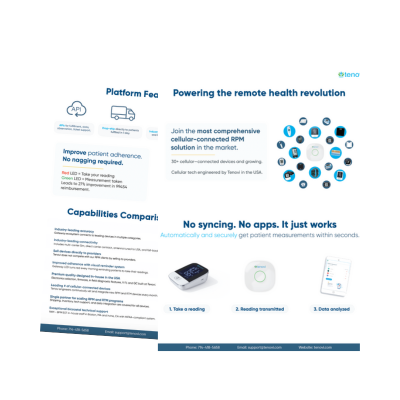
The Tenovi Pillbox, allows for real-time monitoring of patient medication intake. This approach is instrumental in managing chronic diseases such as hypertension and chronic heart failure. The Tenovi RTM system is designed to track multiple medications with high precision, integrating seamlessly with care platforms via a cellular gateway. The gateway’s LED feature offers a visual reminder by turning red each morning as a prompt to take medication and green once intake is logged for enhanced adherence and patient engagement. Ideal for patients with multiple prescriptions, the Tenovi Pillbox ensures medication adherence by tracking if and when each dose is taken. This data is transmitted seamlessly to the Tenovi Cloud and can be accessed by healthcare providers for ongoing monitoring and adjustments.
PatchRx for Targeted Medication Tracking
The PatchRx device, a smart pill bottle cap, is perfect for critical medications that patients take on a daily basis. This device, which fits universally on pill bottles, tracks both the opening and closing of the bottle, providing an extra layer of adherence tracking.
Adherium Hailie® Sensors for Respiratory Care
Designed for patients with asthma and COPD, the Adherium Hailie® sensors track inhaler usage. The sensors are FDA-cleared and cover the ten most common inhaled medications. By reducing the frequency of asthma and COPD attacks, this adherence tool offers potentially significant cost savings while improving patient outcomes.
Optimizing Remote Therapeutic Monitoring for Value-Based Care
The benefits of using remote therapeutic monitoring in a value-based care model go beyond just cost savings. They extend to the overall patient experience and health equity. Adopting a combined approach with remote patient monitoring and medication adherence solutions enables providers to deliver better, more responsive care to diverse patient populations. The PHTI report suggests that underserved groups show larger improvements in blood pressure control when given access to such tools, indicating that RTM can also help bridge gaps in health equity.
Integrating medication adherence tools like the Tenovi Pillbox, PatchRx, and Adherium Hailie® sensors into value-based care models holds great promise for improving patient outcomes and reducing healthcare costs. With a comprehensive approach that includes continuous monitoring and proactive management, healthcare providers can better support chronic disease patients in maintaining their health.